
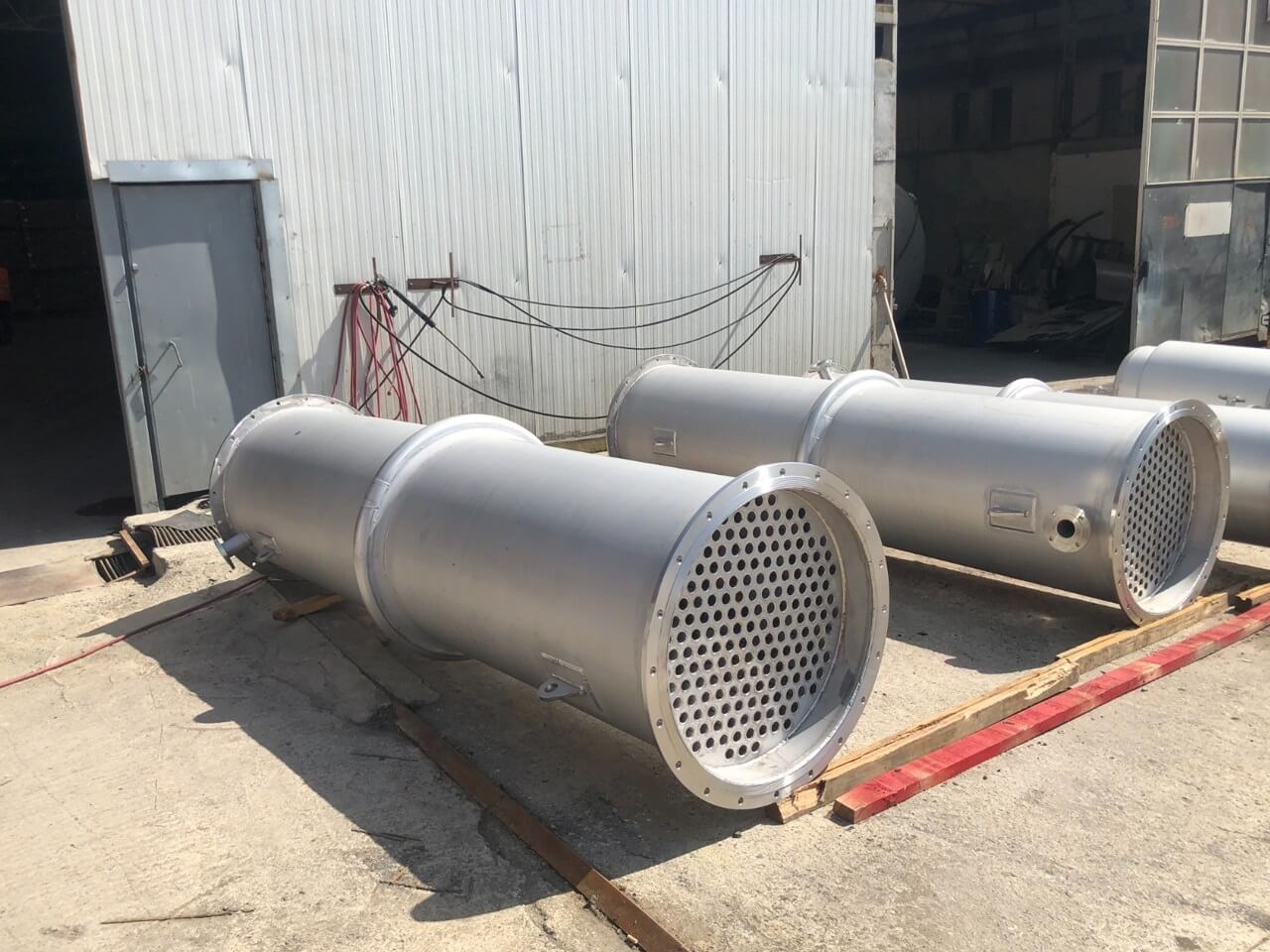
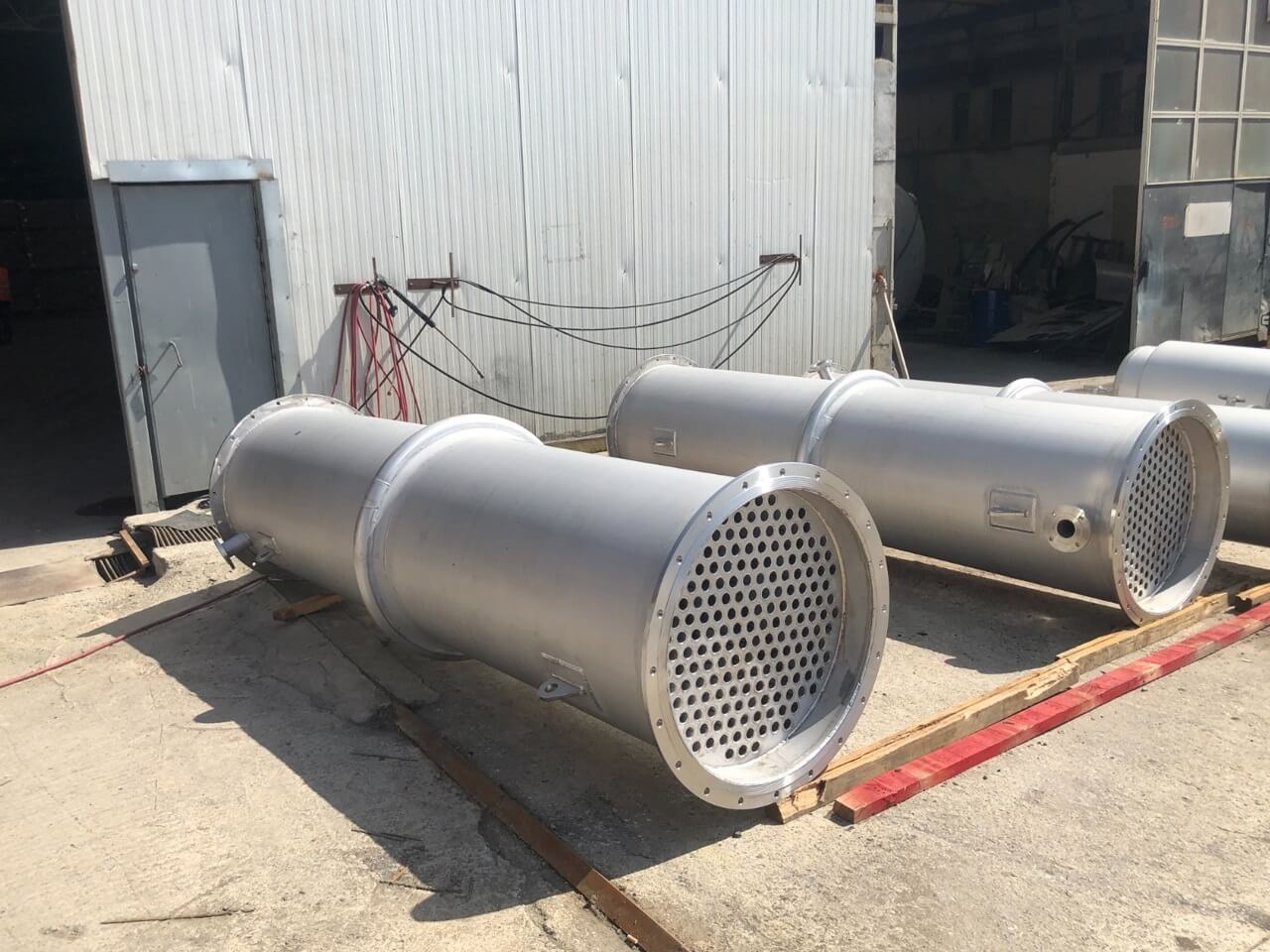
Condensers
Systems that condense vapor and gas streams in line with process requirements.
Condensers: A Critical Component in Industrial Applications
Condenser Manufacturing
Condensers are widely used in industrial cooling and heat-transfer systems. Their basic function is to convert gaseous substances into liquids, and they play a critical role in improving energy efficiency and ensuring efficient industrial system operation. By examining their operation, applications, manufacturing and pricing, we will explore their industrial importance in greater depth.
What Is a Condenser?
A condenser is a device that converts a substance from a gas into a liquid. It is generally used in industrial cooling systems, energy production facilities and HVAC (Heating, Ventilation and Air Conditioning) systems. Condensers cool vaporized gases to liquefy them, allowing systems to operate continuously. In industrial facilities, they play a vital role in heat-transfer processes.
In energy production systems, a condenser recovers heat by converting vapor into liquid. This minimizes energy losses and increases system efficiency. Condensers perform a critical function, especially in high-temperature environments. Cooling, liquefaction and energy recovery require appropriate designs for effective operation.
Industrial Functions of Condensers
Using condensers in industrial systems is highly important for improving efficiency and saving energy. Their main functions include:
Heat Transfer and Cooling: The fundamental function of condensers is to cool gases and convert them into liquids. This process is vital for heat transfer. In industrial facilities, condensers are generally used in cooling and heating systems to maintain the desired ambient temperature. When used with scrubber systems, unwanted particles are removed from the gas stream while condensers support temperature control and conversion of these gases into liquids.
Energy Efficiency: Energy efficiency is critical for continuous industrial equipment operation. Condensers create highly efficient systems that reduce energy consumption and operating costs. When used with a scrubber, both energy efficiency and environmental compatibility improve. Scrubbers clean the air while condensers save energy, making the system more efficient.
Heat Recovery: Condensers recover energy and make heat available for reuse within the system instead of releasing it into the environment. This offers a significant advantage, particularly in facilities with high energy consumption. Scrubbers remove harmful substances from the gas stream, allowing condensers to operate more efficiently.
Systems combining condensers and scrubbers improve industrial facility performance by reducing environmental impact while providing high efficiency and energy savings.
Condenser Manufacturing
Condenser manufacturing is a highly technical process. Manufactured from heat-resistant materials using appropriate designs and engineering techniques, condensers are critical for efficient system operation. The main materials used include copper, aluminum and stainless steel, selected for their high thermal conductivity.
Condenser manufacturing offers many design options. Condensers specially designed for users’ needs ensure efficient evaporation and condensation. Correct selection of the cooling fluid during manufacturing is also extremely important. Proper condenser design provides high efficiency and long service life.
What Types of Condensers Are Available?
Condensers are manufactured in different types according to their applications. The three most common types are:
Air-Cooled Condensers: Air-cooled condensers use air for cooling. Although generally less costly, they require suitable ambient conditions to achieve high efficiency. They are particularly selected for small and medium-sized industrial facilities.
Water-Cooled Condensers: Water-cooled condensers use water for cooling. They are used in large industrial systems with high efficiency requirements, particularly power plants. Their design must take water temperature and flow conditions into account.
Evaporative Condensers: Evaporative condensers allow water vapor to combine with air and cool. They are used in systems requiring large cooling capacities. Generally selected for heavy industrial facilities, they are ideal systems for achieving high efficiency.
Condenser Prices
Condenser prices vary according to many factors. Type, capacity, materials and the manufacturing process are the main factors affecting price. Air-cooled condensers are generally less costly, while water-cooled and evaporative condensers may be more expensive. However, their higher efficiency may provide savings over the long term.
Prices of condensers used in industrial systems are generally determined by capacity and application. For example, large water-cooled condensers used in power plants cost more than air-cooled condensers in small cooling systems. Custom-built and high-capacity condensers may also cost more. Pricing varies according to the quality of design materials and production processes.
Factors to Consider When Selecting a Condenser
Capacity and Size: Condenser capacity should be determined according to cooling requirements. Industrial facilities, particularly large-scale mechanical installation systems, may require greater capacities. System dimensions and layout must be carefully planned for efficient operation. In mechanical installation projects, condenser selection directly affects overall system performance.
Energy Efficiency: Highly energy-efficient condensers significantly reduce long-term operating costs. Efficient condensers should be selected to minimize energy consumption in mechanical installation systems. Correct equipment selection reduces environmental impact and saves energy.
Ease of Maintenance: Regular condenser maintenance in mechanical installation systems ensures long service life and trouble-free operation. Easily maintained condensers save time and reduce maintenance costs, improving facility owners’ operating efficiency.
Price-Performance Ratio: Condenser pricing should be assessed not only by initial cost but also by operating costs. In mechanical installation projects, equipment with a suitable price-performance ratio optimizes total system cost. Selection should therefore consider long-term use.
Correct condenser selection in mechanical installation systems provides an efficient working environment and long-term business benefits by reducing energy costs.
Industrial Applications of Condensers
Condensers are used in many different industrial sectors. Common examples include the following.
Power Plants and Reactor Systems: Condensers are used to cool steam in electricity generation and nuclear reactors. This enables efficient energy production through conversion to liquid. An efficient condenser in electricity generation and reactor systems can significantly reduce energy losses.