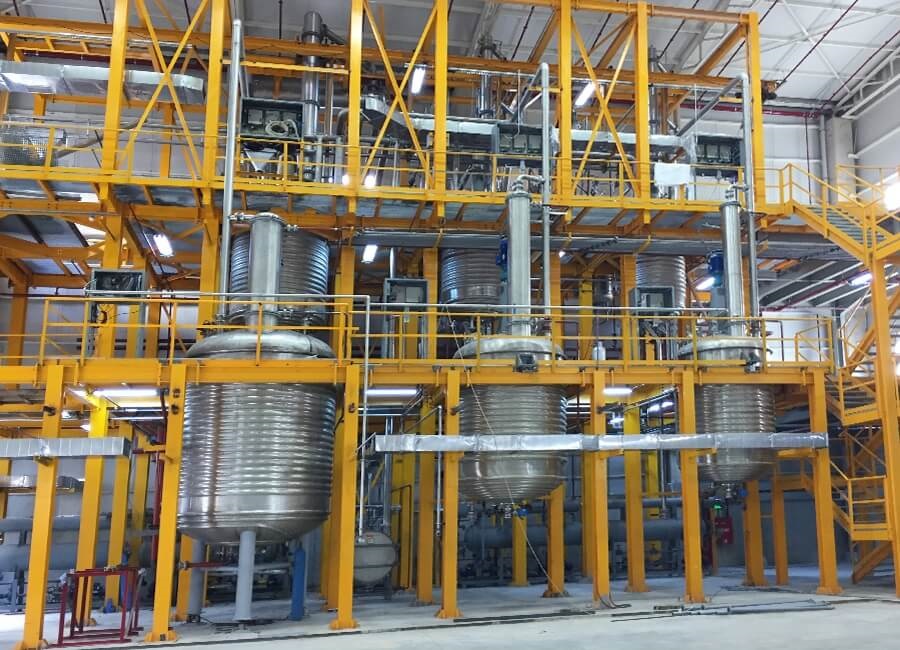
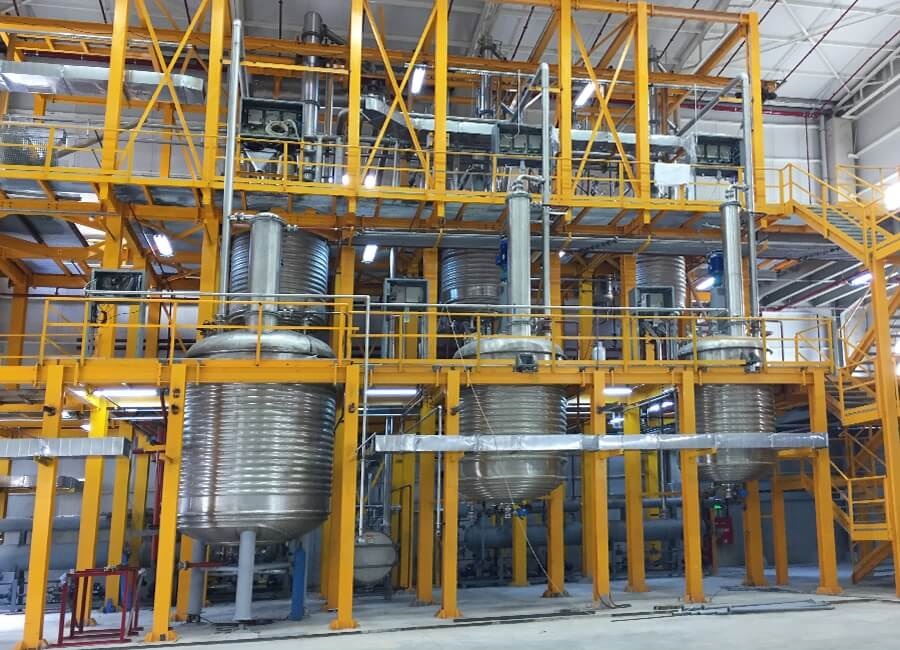
Reactors
Pilot Reactor
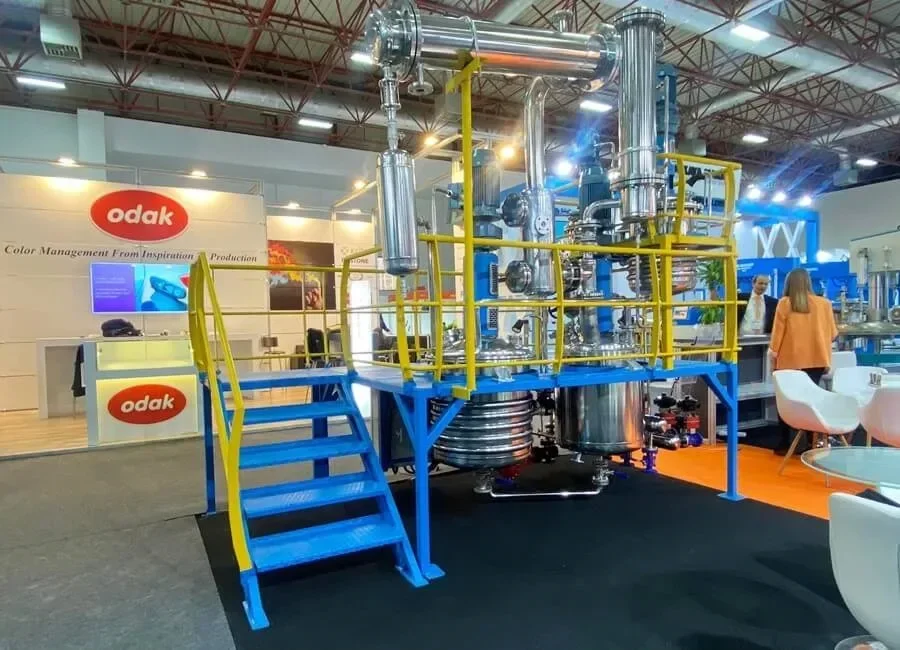
Explore the product

Reliable, efficient reactor solutions configured to your needs for controlled processes.
Universal reactors are multipurpose industrial equipment capable of carrying out various chemical reactions. They are used to produce different types of chemical compounds, obtain homogeneous mixtures, and perform heating and cooling operations. They are widely used in the chemical, pharmaceutical, food and petrochemical industries.
Universal reactors, used in food, chemical, paper, pharmaceutical and similar sectors, help products achieve the required consistency. Reactors are used to complete the production stages necessary to obtain a quality product. The reactors we carefully design, manufacture and supply play an essential role in bringing homogeneous and heterogeneous mixtures to the required consistency. Available in different sizes and with different functional features, they provide a broad operating capacity with adjustable pressure and vacuum settings.
The drive shaft and impeller blades inside the vessel play an important role in processing and manufacturing products. Different adjustments can be made to balance the temperature. Equipment manufactured by Zirve Proses Makine helps ensure the highest quality of products obtained through mixing. We place great importance on using stainless and durable steel materials. With AISI 304L, 310L, 316L and 910L carbon steel materials, our product range includes models that withstand different environments and demanding conditions. Supplying products to many industries, universal reactors support the production of sound, quality products through their robust systems.
Industries using universal reactors have an important place among the sectors essential to sustaining human life. Vital foods and indispensable chemicals are produced through the efficient use of a good reactor. Quality universal reactors serve companies seeking to bring production performance to the required level.
1. What are the applications of universal reactors?
Universal reactors can be used in many different sectors. Their main applications include:
2. What features do universal reactors have?
The main features of universal reactors are:
3. What are the advantages of universal reactors?
Universal reactors offer many advantages:
4. What should be considered when designing universal reactors?
The following factors are important in universal reactor design:
Mixing and Homogeneity: Proper design of mixers and other components enables homogeneous mixtures to be obtained.
5. How does a universal reactor work?
Universal reactors provide the temperature, pressure, mixing and time conditions needed for a particular chemical reaction. The relevant raw materials are placed in the reactor, and the required chemical reaction is carried out using its mixers, temperature control systems and other equipment.