
Scrubber Systems
Customizable scrubber solutions for process gas treatment and emission control.
Scrubber System: Operating Principle and Manufacturing Process
Scrubber Systems
A scrubber system is an effective filtration technology used to remove contaminants from air, gases and liquids in industrial facilities. It is generally selected to reduce air pollution, clean gases and minimize environmental impacts in various industrial applications. A scrubber removes harmful components and reduces emissions by facilitating interaction between air and gases.
What Is a Scrubber?
A scrubber is primarily a system used to purify contaminated gases or air. It absorbs harmful airborne substances using liquids or a specific chemical reaction and releases the cleaned air into the atmosphere. This prevents environmental harm and threats to human health. It is commonly used in industrial facilities, waste gas filtration and chemical processes.
Scrubber systems are widely selected to remove various contaminants in industrial facilities. They remove acidic gases, ammonia, sulfur dioxide and other harmful substances from air. These systems are vital for meeting environmental standards and improving energy efficiency.
How Does a Scrubber System Work?
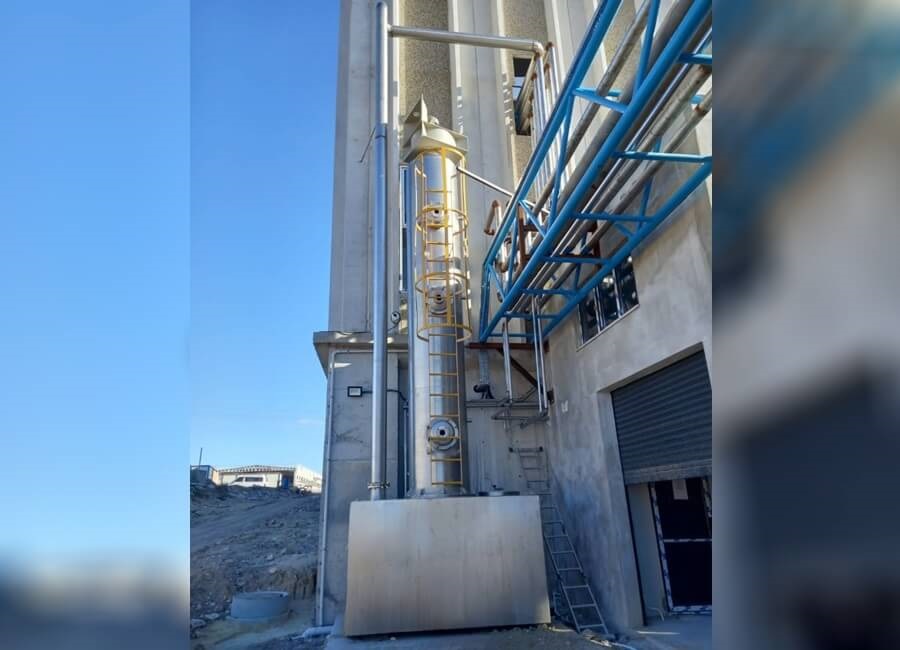
A scrubber system fundamentally operates through interaction between a liquid and a gas. Most systems bring contaminated gas or air into contact with a specific liquid, usually water or a chemical solvent. As gases pass through the liquid, their contaminants dissolve into or physically bind to the liquid. During this process, contaminated gases are cleaned, and contaminants collected in the liquid are removed from the system.
Scrubbers generally operate in two main types: wet and dry. Wet scrubbers require liquids, while dry scrubbers operate through chemical reactions or special materials.
Wet Scrubber: In these systems, gases are brought into contact with water or acidic solvents. Water is one of the most commonly used substances. The liquid absorbs contaminants from the gases, and the clean gas is released.
Dry Scrubber: Dry scrubbers remove contaminants through a chemical reaction. They use dry chemicals instead of liquids, and gas contaminants bind to these chemicals and are removed.
Scrubber Manufacturing
Scrubber manufacturing is an important process for treating contaminated gases and waste in industrial facilities. These systems are based on cleaning gases with water or a chemical solution. Scrubbers are particularly used in power plants, chemical factories and waste management facilities. Generally applied to prevent industrial gas emissions into the atmosphere, these systems offer environmentally friendly solutions.
Materials Used in Scrubber Manufacturing
Scrubber manufacturing uses materials resistant to high temperatures and chemical interactions. Stainless steel, plastics and other durable materials ensure long-lasting, effective operation. Manufacturing requires correct assembly of every component and optimization of the system. Quality materials help the system operate more efficiently and reduce maintenance costs.
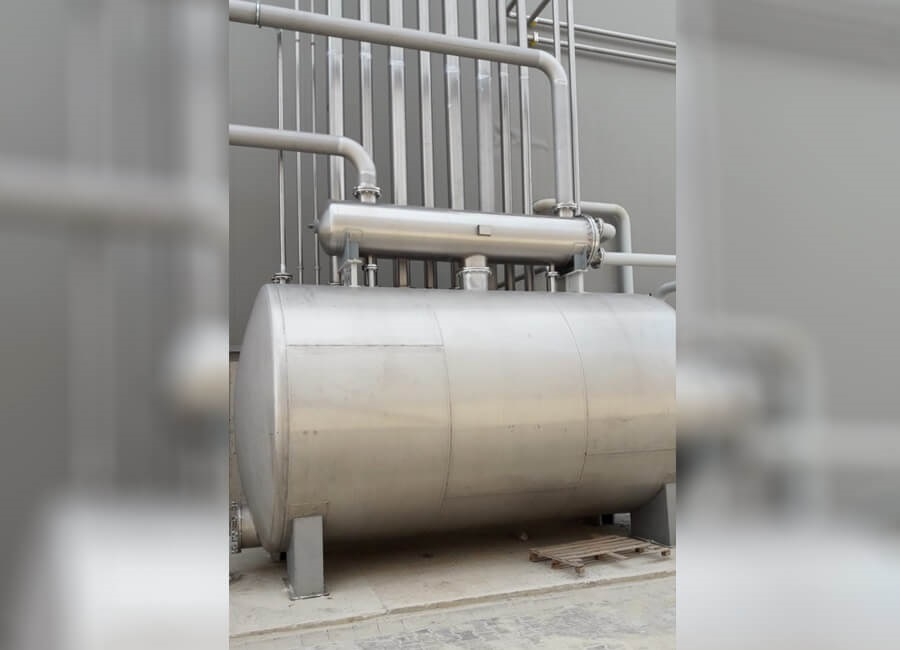
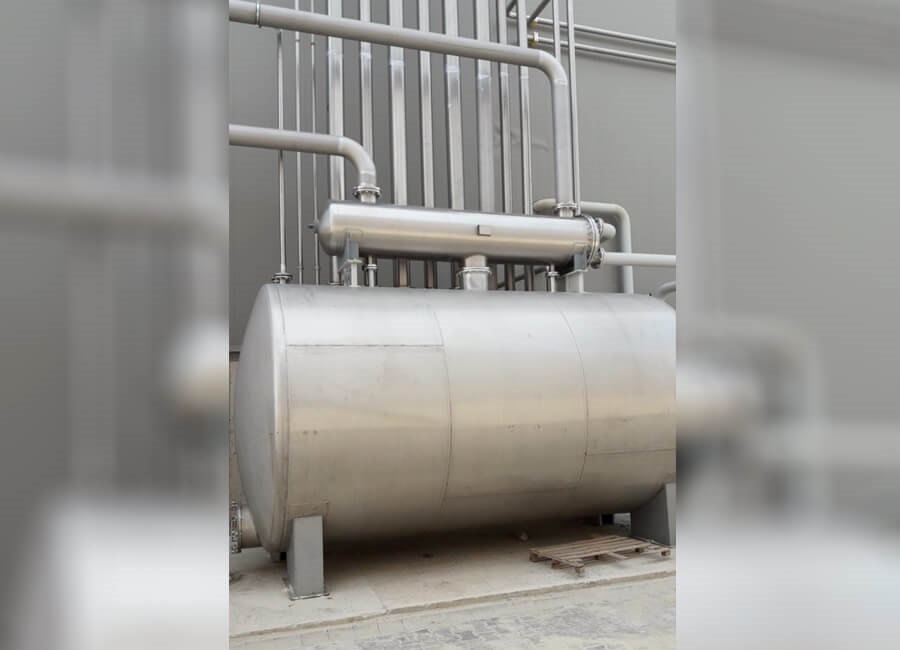
Scrubber systems can provide higher efficiency when integrated with equipment such as a condenser. Using these two systems together saves energy and minimizes environmental impacts in industrial facilities.
Technological Innovations and Scrubber Manufacturing
Technological developments play an important role in scrubber manufacturing. Modern scrubbers equipped with smart sensors and automation systems allow contaminants to be monitored and treatment to become more efficient. They offer major advantages in energy efficiency and environmental impact. Scrubbers integrated into mechanical installation systems enable effective industrial gas treatment and more sustainable system operation.
Scrubber manufacturers develop sector-specific solutions for effective cleaning of different gases and waste. High-quality materials and innovative engineering solutions give scrubbers long service lives and reduce operating costs.
Scrubber manufacturing is indispensable for environmental protection and industrial cleaning. In mechanical installation projects in particular, correct scrubber design and positioning are critical for preventing air pollution and safely managing gases in industrial facilities.
Scrubber Applications and Industries
Scrubber applications are particularly common in industrial facilities. They are widely used in the oil, gas, chemical, automotive and food processing industries. By filtering acidic components and harmful substances from gases, these systems minimize adverse environmental effects. For example, a scrubber system in a chemical factory removes harmful chemicals from emitted gases and filters the air.
Scrubber Application Listings and Sales Requirements
Many listings and services are available today for scrubber applications and systems. Industrial businesses request scrubber systems to reduce environmental impact and improve efficiency. Consequently, many listings cover installation, maintenance and spare parts supply. Businesses seeking environmentally friendly solutions in particular use these systems to reduce costs and protect the environment. Scrubber systems should be installed by specialist teams and provide high efficiency over the long term.
Advantages of Scrubber Systems
Scrubber systems generally operate by mixing contaminated gases with water or alkaline solutions. This process allows contaminants to be absorbed and removed as they pass through the water. Different scrubber types achieve different efficiencies depending on the liquid composition and function. Special designs and engineering solutions are developed during manufacturing to enable effective liquid-gas interaction. One of the most important advantages of scrubber systems is minimizing environmental impact. They significantly reduce air pollution from industrial activities in particular. Contaminated gases can also be cleaned at low cost and with high efficiency, allowing companies to comply with environmental restrictions while achieving production savings.
Scrubbers also generally have low maintenance requirements and long service lives. Regular maintenance and, in some cases, liquid replacement may be needed for correct operation, but they generally offer low long-term operating costs.