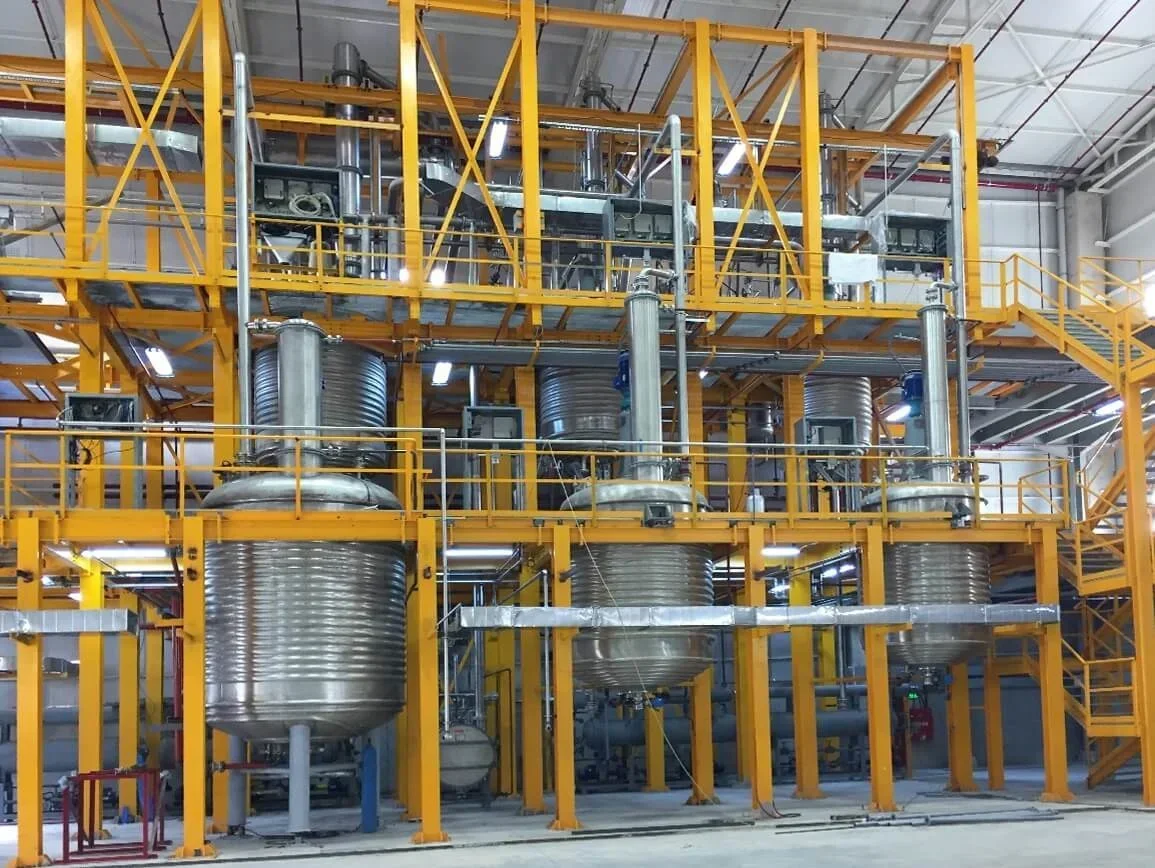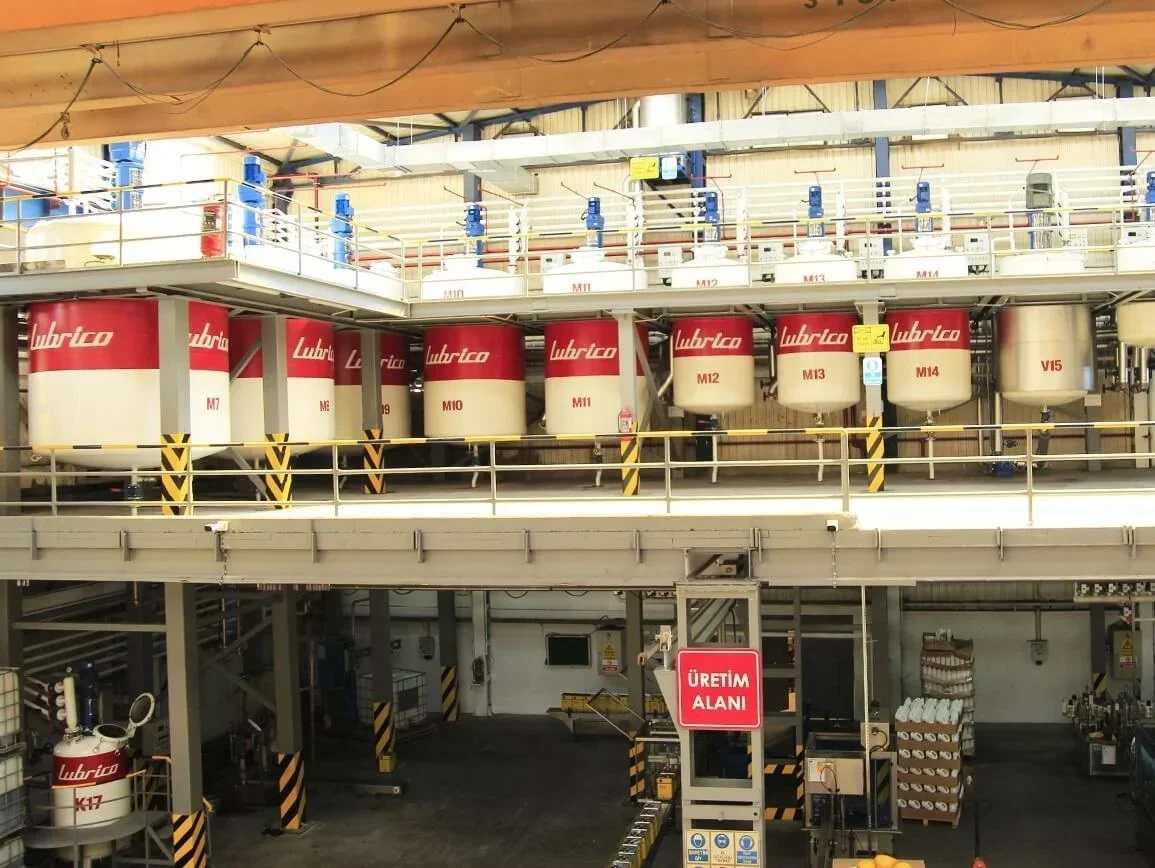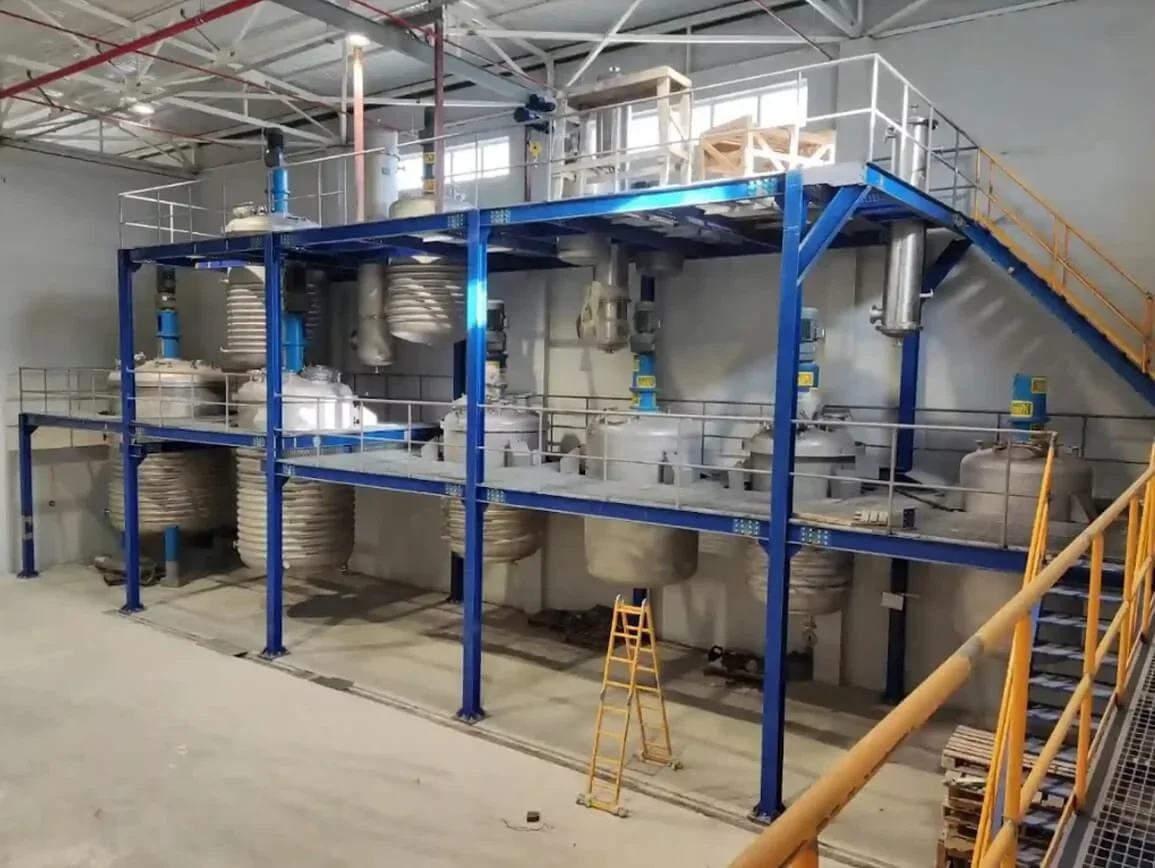
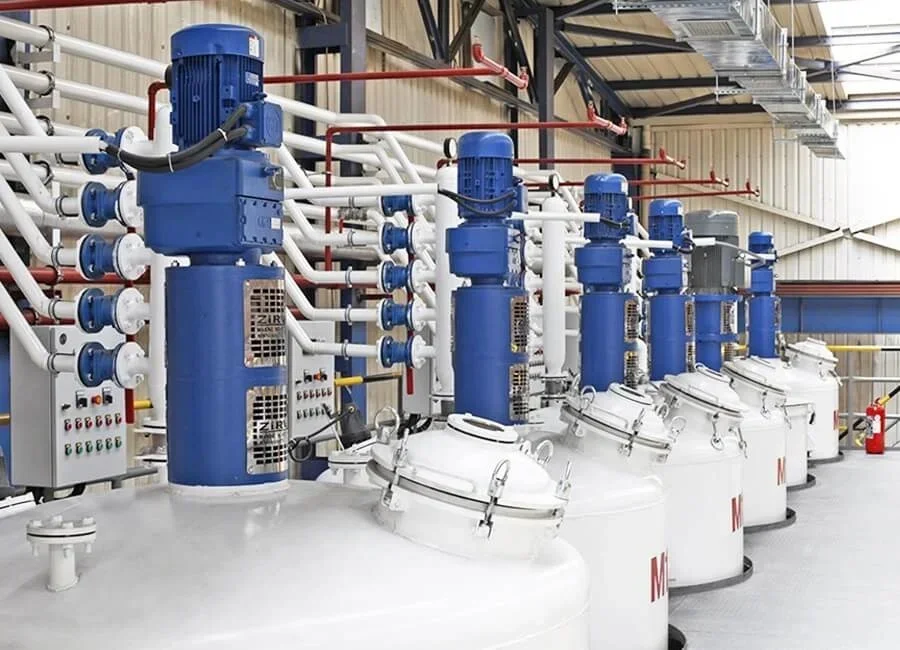
Compatibility between product properties, agitator geometry and operating conditions is the foundation for achieving a homogeneous mixture.
Industrial mixing aims to combine components with different properties to achieve the desired product structure. Because requirements vary from product to product, a single mixing approach does not produce the same result in every process.
Viscosity, density differences and the solids ratio are among the initial data to be assessed. The feeding sequence and mixing temperature can also influence mixture behaviour.
Mixer type should be considered together with tank geometry, filling level and the flow pattern. Insufficient circulation and excessive shear can cause different quality problems; trial results are therefore important.
Recording mixing time, speed and temperature helps maintain process consistency. Comparing results from different batches makes it easier to identify sources of variability.
When introducing a new product or changing capacity, the limits of existing equipment should be reassessed. Process conditions and the desired quality level should guide equipment selection.